


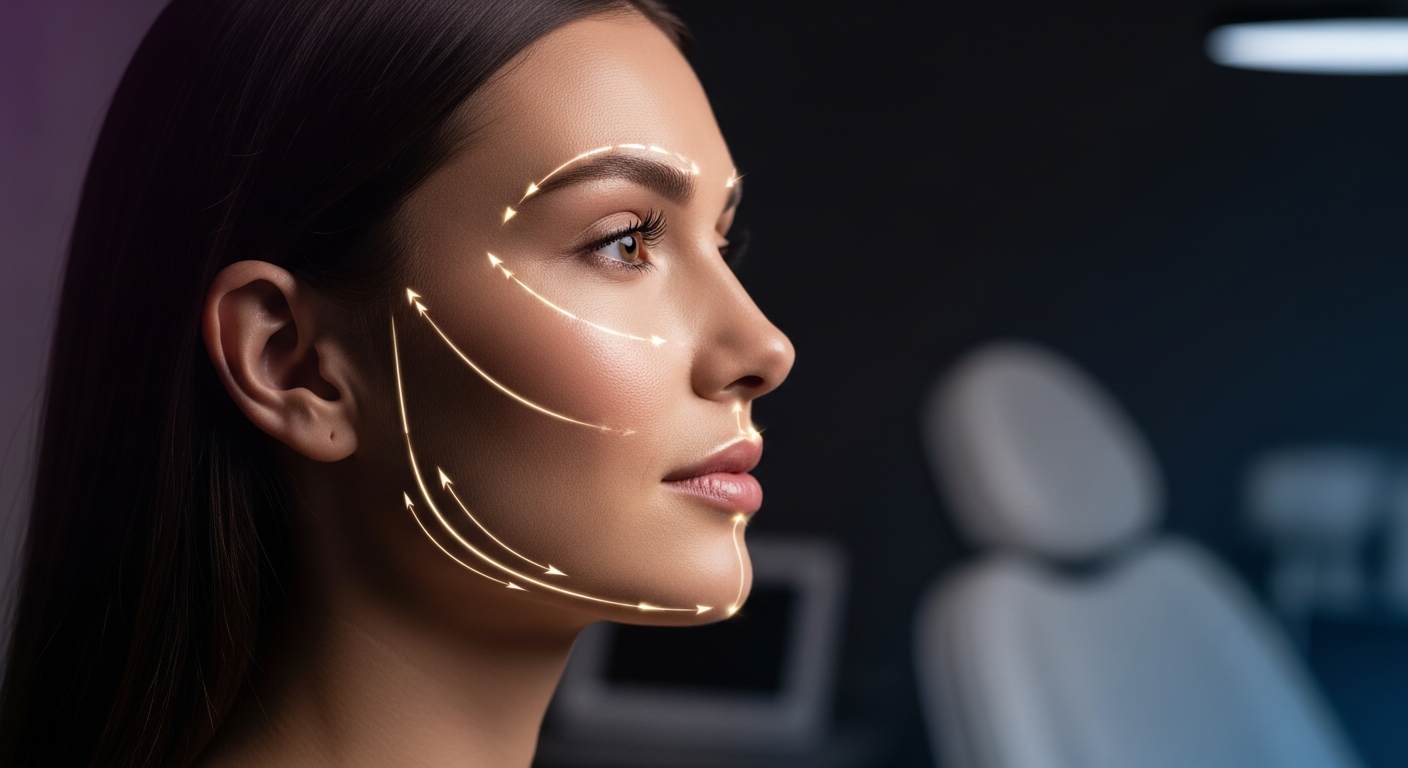
Using dermal fillers cheekbones treatments has become one of the most popular ways to restore volume, define facial contours, and achieve a more youthful, sculpted appearance without surgery. Whether you have naturally flat cheeks, have noticed age-related volume loss, or simply want more prominent cheekbone filler enhancement, injectable cheek filler offers beautiful, natural-looking results with minimal downtime.
This guide covers everything you need to know about dermal fillers cheekbones treatments, from how the procedure works and which products are used to what results you can expect, recovery timelines, and how to find the right provider. If you have ever wondered whether dermal filler cheek enhancement is right for you, read on for a complete breakdown.
Disclaimer: This article is for informational and entertainment purposes only and does not constitute medical advice. Always consult a board-certified dermatologist or licensed injector for personalized treatment recommendations.
Cheekbone filler, also known as cheek filler or malar augmentation, involves injecting dermal fillers into and around the cheekbone area to add volume, lift, and definition. The treatment targets the malar and submalar regions of the face to create more prominent cheekbones, restore youthful volume, and improve overall facial harmony.
As we age, the fat pads in the mid-face gradually descend and diminish, causing the cheeks to flatten and the nasolabial folds to deepen. Dermal filler cheek treatments reverse these changes by replacing lost volume and providing structural support that lifts the entire mid-face region.
Dermal fillers used for cheekbone enhancement are gel-like substances injected beneath the skin to add volume and structure. The most commonly used fillers for this area are hyaluronic acid (HA) based, though calcium hydroxylapatite fillers are also popular for their excellent lifting capacity.
Once injected, the filler integrates with your tissue, providing immediate volume while also attracting water molecules to maintain hydration and plumpness. The result is a natural-looking enhancement that restores or creates cheekbone definition. Over time, many fillers also stimulate some degree of collagen production, providing additional benefits beyond the filler itself.
Several filler products are specifically formulated for the cheekbone area, each with unique properties that make them suitable for different goals.
| Filler Product | Type | Consistency | Duration | Best For |
|---|---|---|---|---|
| Voluma | Hyaluronic acid | Firm, high-viscosity | Up to 24 months | Significant volume and lift |
| Restylane Lyft | Hyaluronic acid | Firm, structured | 12-18 months | Moderate volume and definition |
| Radiesse | Calcium hydroxylapatite | Very firm | 12-18 months | Strong lift and collagen stimulation |
| Sculptra | Poly-L-lactic acid | Collagen stimulator | Up to 25 months | Gradual, natural volume restoration |
| RHA Redensity | Hyaluronic acid | Dynamic, flexible | 12-15 months | Natural movement and subtle enhancement |
Voluma is often considered the go-to choice for cheekbone augmentation due to its excellent lifting capacity and long duration. Your injector will recommend the product that best matches your anatomy, goals, and the degree of enhancement you are seeking.
Cheek filler offers numerous benefits that extend beyond simply adding volume to the cheekbones.
Understanding what happens during a cheekbone filler appointment helps you feel confident and prepared.
Your injector will assess your facial anatomy, skin quality, and aesthetic goals. They will discuss which filler product is best suited for your needs, the volume likely required, and the expected outcome. This is the time to share any medical history, allergies, or medications that could affect treatment.
The procedure typically takes 20 to 40 minutes from start to finish. Your injector cleanses the treatment area and may apply a topical numbing cream for comfort, though most modern fillers contain lidocaine to minimize discomfort during injection. Using a needle or cannula, the filler is injected at precise points along and around the cheekbone. Your injector will mold the filler and assess symmetry throughout the process.
You will see improvement immediately after the treatment, though mild swelling may make the cheeks appear slightly fuller than the final result. The true outcome settles over one to two weeks as swelling subsides and the filler integrates with your tissue.
The transformation with cheek fillers before and after treatment can be remarkable yet natural. Most patients notice immediately enhanced cheekbone definition, a lifted mid-face, softened nasolabial folds, and a more youthful, refreshed overall appearance.
Results look most natural when the injector takes a conservative approach, building volume gradually over one or two sessions rather than adding too much at once. The best results enhance your natural bone structure rather than creating an obviously "filled" look.
For real patient examples and detailed results, browse our cheek filler before and after gallery to see the range of outcomes possible with professional cheekbone filler treatment.
Recovery from cheekbone filler is minimal compared to surgical alternatives, but following proper aftercare ensures the best results.
| Timeframe | What to Expect | Care Instructions |
|---|---|---|
| First 24 hours | Mild swelling, possible tenderness | Apply ice gently, sleep elevated, avoid touching the area |
| Days 2-3 | Swelling peaks then starts to diminish | Avoid strenuous exercise, heat exposure, and alcohol |
| Days 4-7 | Most swelling resolved, minor bruising fading | Resume normal activities, gentle skincare routine |
| Weeks 2-4 | Final results visible as filler settles | Follow-up appointment if recommended by your injector |
Avoid pressing, massaging, or manipulating the treated area for at least two weeks unless instructed by your provider. Also avoid dental procedures for two weeks after treatment, as the pressure and manipulation can affect filler placement.
Cheekbone filler is generally considered very safe when performed by a qualified, experienced injector. However, all medical procedures carry some risk.
For a comprehensive look at filler types, safety, and what to expect across all treatment areas, read our complete dermal fillers guide.
The cost of cheekbone filler depends on several factors, including the type and amount of filler used, the injector's expertise and geographic location, and whether you are building volume gradually over multiple sessions.
Most patients require one to two syringes of filler per side for noticeable cheekbone enhancement, though those with significant volume loss may need more. The investment covers the product itself, the injector's expertise, and the clinic's facilities. When evaluating cost, consider the longevity of results, as higher-quality products like Voluma that last up to two years may offer better long-term value.
Ideal candidates for dermal fillers cheekbones treatment include those experiencing mid-face volume loss due to aging, individuals with naturally flat or undefined cheekbones seeking more contour, patients looking for a non-surgical alternative to cheek implants, and anyone wanting to improve facial harmony and symmetry.
Cheek filler may not be suitable for those with active skin infections in the treatment area, certain autoimmune conditions, allergies to filler components, or unrealistic expectations about what non-surgical treatment can achieve. A thorough consultation will determine your candidacy.
If you are exploring jawline enhancement alongside cheek contouring, our jawline filler guide covers how these treatments can work together for comprehensive facial rejuvenation.
Wondering how cheekbone filler would look on your face? The Bea Aesthetic AI app lets you visualize cheek filler results on your own features using advanced AI simulation. Upload a selfie and see how different levels of cheekbone enhancement would transform your appearance before booking a consultation.
Bea helps you communicate your goals clearly with your injector by giving you a visual reference for the look you want to achieve. It is the perfect tool for exploring your options and building confidence in your aesthetic decisions.
Cheekbone fillers typically last 12 to 24 months depending on the product used. Voluma, one of the most popular cheek fillers, can last up to 24 months. Factors like your metabolism, lifestyle, and the amount injected also influence longevity.
Most patients describe the discomfort as mild and very manageable. Modern fillers contain lidocaine, a numbing agent, and your injector may also apply topical numbing cream before treatment. The procedure is well-tolerated by the vast majority of patients.
Most patients require one to two syringes per side for noticeable enhancement, though this varies based on your anatomy, the degree of volume loss, and your desired outcome. Your injector will recommend the appropriate volume during your consultation.
Yes, strategically placed cheek filler can provide a lifting effect on the mid-face. By restoring volume to the cheekbone area, filler supports the overlying skin and soft tissue, reducing the appearance of nasolabial folds and mild jowling. However, significant skin laxity may require surgical intervention for optimal results.
Cheek filler is a non-surgical injectable treatment lasting 12 to 24 months, while cheek implants are surgically placed permanent devices. Filler offers less downtime, lower risk, and reversibility, while implants provide permanent structural enhancement. Many patients start with filler to preview results before considering implants.
Results are visible immediately after treatment, though mild swelling may make the cheeks appear slightly fuller than the final outcome. The true result settles over one to two weeks as swelling subsides and the filler integrates naturally with your tissue.
Other posts


