


Disclaimer: This article is for informational and entertainment purposes only and does not constitute medical advice. Always consult a qualified professional before making decisions about aesthetic treatments.
Hair Color Chart: Finding the Right Shade for Your Skin Tone
A hair color chart is your most valuable reference tool when considering any change to your hair shade. Whether you are stepping into a salon for the first time or choosing a box dye at home, understanding how the numbering system, tonal families, and undertone categories work ensures you walk away with a result that complements your natural coloring rather than clashing with it.
Reading a hair color chart correctly can mean the difference between a shade that makes your skin glow and one that washes you out. This guide decodes the entire system, from level numbers to underlying pigments, and connects it all to your skin tone so you can make choices with confidence. Combined with modern color analysis tools, finding your perfect shade has never been more accessible.
Understanding the Hair Color Chart
Professional hair color charts organize shades using a standardized numbering system. The first number represents the depth level (how light or dark the shade is), while numbers after the decimal or slash indicate the tone (the hue or reflect within that shade).
For example, a shade labeled 6.1 means level 6 (dark blonde) with an ash tone. A shade labeled 7.3 means level 7 (medium blonde) with a golden tone. Once you understand this logic, every hair color chart in any brand becomes readable.
Hair Color Levels Explained
Hair color levels run from 1 (darkest black) to 10 (lightest blonde). Here is the standard scale used across most professional and retail brands:
| Level | Description | Natural Examples |
|---|---|---|
| 1 | Black | Deepest natural black |
| 2 | Darkest Brown | Near-black dark brown |
| 3 | Dark Brown | Rich espresso brown |
| 4 | Medium Brown | Classic brunette |
| 5 | Light Brown | Milk chocolate brown |
| 6 | Dark Blonde | Dark honey, light brown-blonde |
| 7 | Medium Blonde | Classic blonde |
| 8 | Light Blonde | Sandy to golden blonde |
| 9 | Very Light Blonde | Pale butter blonde |
| 10 | Lightest Blonde | Near-white platinum |
When changing your hair color, staying within two levels of your natural shade generally produces the most natural-looking and skin-flattering results. Dramatic jumps require more processing and carry a higher risk of an undertone mismatch.
Undertones and Tonal Families
The second number in a hair color code specifies the tone. These tones fall into warm, cool, and neutral families:
| Tone Number | Tone Name | Temperature |
|---|---|---|
| .1 | Ash (blue) | Cool |
| .2 | Iridescent / Violet | Cool |
| .3 | Golden | Warm |
| .4 | Copper | Warm |
| .5 | Mahogany | Cool-Warm |
| .6 | Red | Warm |
| .7 | Matte / Green | Cool |
| .0 | Natural | Neutral |
Understanding these tone codes helps you avoid unpleasant surprises. If you have cool undertones and select a .3 or .4 shade, the golden or copper reflects may clash with your complexion. Conversely, warm-toned individuals might find .1 ash shades make them appear gray or dull.
Matching Hair Color to Your Skin Tone
The most flattering hair color choices create harmony between your hair shade and your skin tone chart position. The guiding principle is straightforward: your hair color's warmth or coolness should align with your skin's undertone for a natural, complementary look.
To determine your undertone, examine the veins on the inside of your wrist in natural light. Blue or purple veins indicate cool undertones, green veins suggest warm undertones, and a mix points to neutral. You can also consider which jewelry metals flatter you most and whether you burn or tan in the sun.
For a precise assessment, AI-powered color analysis through the Bea app can identify your exact undertone and suggest hair shades that work beautifully with your natural coloring.
Best Hair Colors for Warm Skin Tones
If you have warm undertones, golden, coppery, and rich warm complexion hair colors will enhance your natural radiance. Your skin has peachy, golden, or olive qualities that harmonize with warm-toned hair shades.
Top choices for hair shades for warm skin tones include:
- Golden blonde: Levels 7-9 with .3 golden tones add sun-kissed warmth
- Honey brown: Levels 5-6 with warm reflects create rich, dimensional color
- Copper and auburn: Levels 5-7 with .4 or .6 tones bring vibrant warmth
- Caramel highlights: Warm-toned highlights on a brunette base add depth and movement
- Rich chocolate: Levels 3-4 with .3 golden undertones for a luxe brunette look
Explore our dedicated guide to warm complexion hair colors for even more shade recommendations tailored to warm undertones.
Best Hair Colors for Cool Skin Tones
Cool-toned skin features pink, red, or blue undertones. The best hair colors for cool complexions lean into ash, violet, and neutral territory:
- Ash brown: Levels 4-6 with .1 ash tones complement pink undertones beautifully
- Platinum blonde: Levels 9-10 with cool or neutral tones create a striking, clean look
- Cool espresso: Levels 2-3 with neutral or ash reflects add depth without warmth
- Mushroom brown: A trendy neutral-cool shade in the level 5-6 range
- Burgundy: Levels 4-5 with .2 or .5 tones offer cool-leaning richness
Best Hair Colors for Neutral Skin Tones
Neutral undertones are the most versatile, allowing you to explore both warm and cool shades. The key is moderation: avoid extremes on either end of the warm-cool spectrum.
- Bronde: The blend between brown and blonde in levels 6-7 with balanced tones
- Chestnut brown: A warm-neutral shade that suits most neutral complexions
- Sandy blonde: Levels 7-8 with subtle warmth that does not overwhelm
- Natural-toned brunette: Levels 4-5 with .0 natural tone for effortless elegance
For a comprehensive understanding of how your skin tone connects to your broader color palette, visit our skin tone chart resource. Understanding your place on the skin tone chart makes every hair color decision more informed.
Visualize Your New Hair Color with Bea
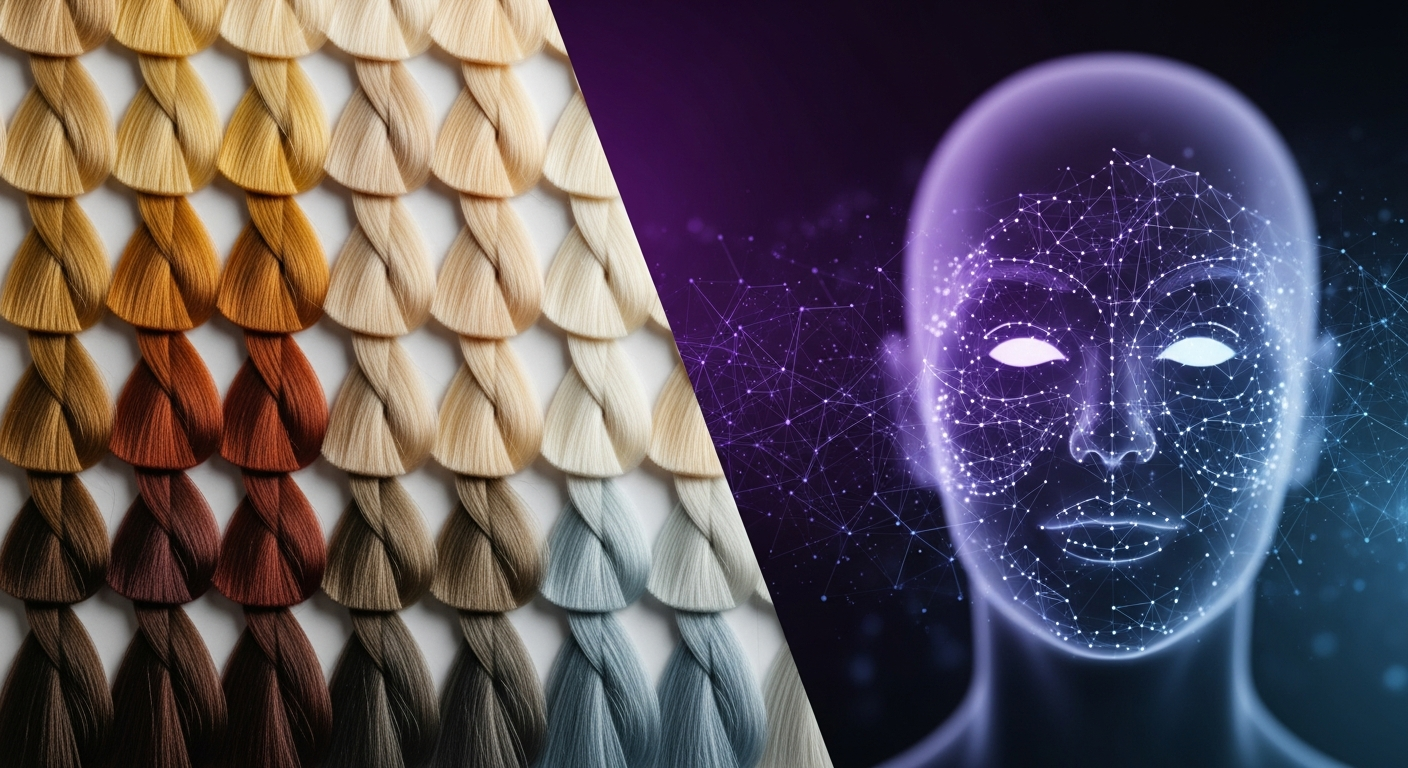
Reading a hair color chart gives you the theory, but seeing how a shade actually looks on you brings the decision to life. The Bea app lets you virtually try on different hair colors using AI-powered visualization. Upload a selfie and experiment with shades across the entire spectrum to see which ones enhance your features before you commit.
Bea combines color analysis with hair color visualization, so you receive both a scientifically grounded palette recommendation and a visual preview. This dual approach means you can explore creatively while staying within the range of shades that complement your natural coloring.
Whether you are considering a subtle shift or a dramatic transformation, seeing the result on your own face eliminates uncertainty. Download Bea and find your ideal shade today.
For more guidance, check out our color analysis guide and explore how different undertones affect your perfect palette in our olive skin tone feature.
Frequently Asked Questions
What do the numbers on a hair color chart mean?
The first number indicates the depth level from 1 (black) to 10 (lightest blonde). Numbers after the decimal represent the tone: .1 is ash, .3 is golden, .4 is copper, .6 is red, and .0 is natural. Together, they tell you both how dark the shade is and what color reflects it contains.
How many levels can I safely change my hair color?
For the most natural and hair-healthy results, staying within two to three levels of your current shade is recommended. Larger changes are possible but typically require professional application and may need multiple sessions.
Should my hair color match my skin undertone exactly?
It does not need to be an exact match, but harmony is important. Warm skin tones generally look best with warm hair tones, and cool skin tones pair well with cool or neutral hair tones. Contrast can be beautiful when done intentionally.
Can I determine my best hair color from a photo?
AI-powered tools like the Bea app can analyze your skin tone, undertone, and features from a photo to suggest flattering hair shades. While in-person consultations remain valuable, photo-based analysis provides an excellent starting point.
What is the most popular hair color shade?
Brunette shades in the level 4-6 range remain consistently popular, with bronde (a brown-blonde hybrid) trending strongly. However, the best shade for you depends on your individual skin tone and undertone rather than trends.


